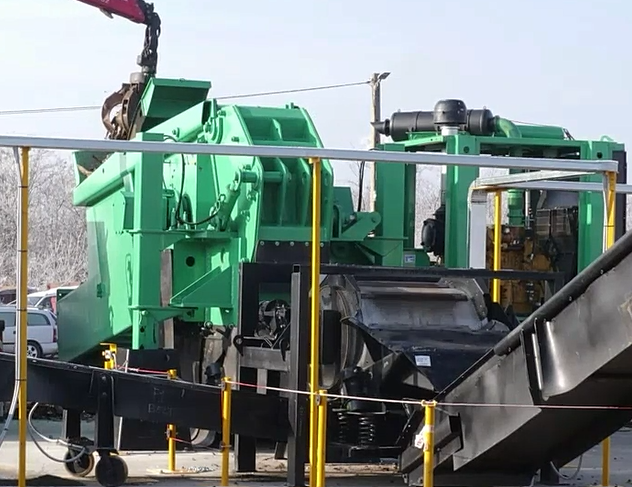
HAMMER MILLS FOR SCRAP METALS
The Drake series hammer mills are the ideal solution for crushing scrap metal.
With a wide range of models available, the mills can be powered by either Diesel or Electric engines, without the need for civil works to ensure optimal plant operation.
A wide range of optional extras allows even the most sophisticated material separation requirements to be met, while complying with the strictest environmental regulations.
The different models of hammer mills are equipped with crushing capacity from 5 to 50 tonnes/hour and input of a variety of materials.
Each hammer mill has a fully automatic cycle and remote control thanks to the PLC system.
One of the main advantages of using the Drake series of hammer mills is the possibility of installing them on site without the need for ground fixing.
Maintenance is easy and operating costs are low.
MILLS
| Model | Power |
|---|---|
| Drake eight hammers | Diesel/electric |
| Drake ten hammers | Diesel/electric |
| Drake twelve hammers | Diesel/electric |
| Drake sixteen hammers | Diesel/electric |
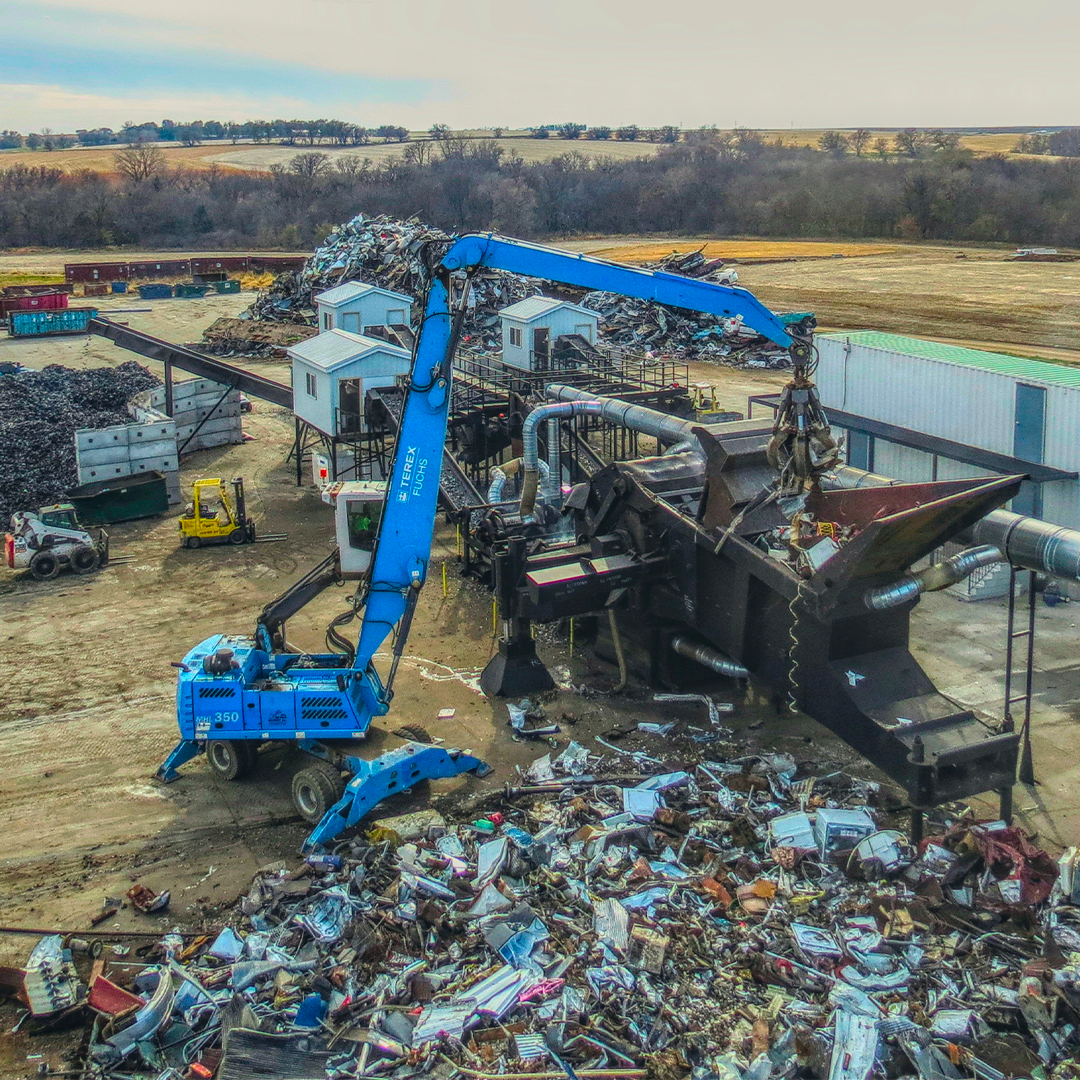
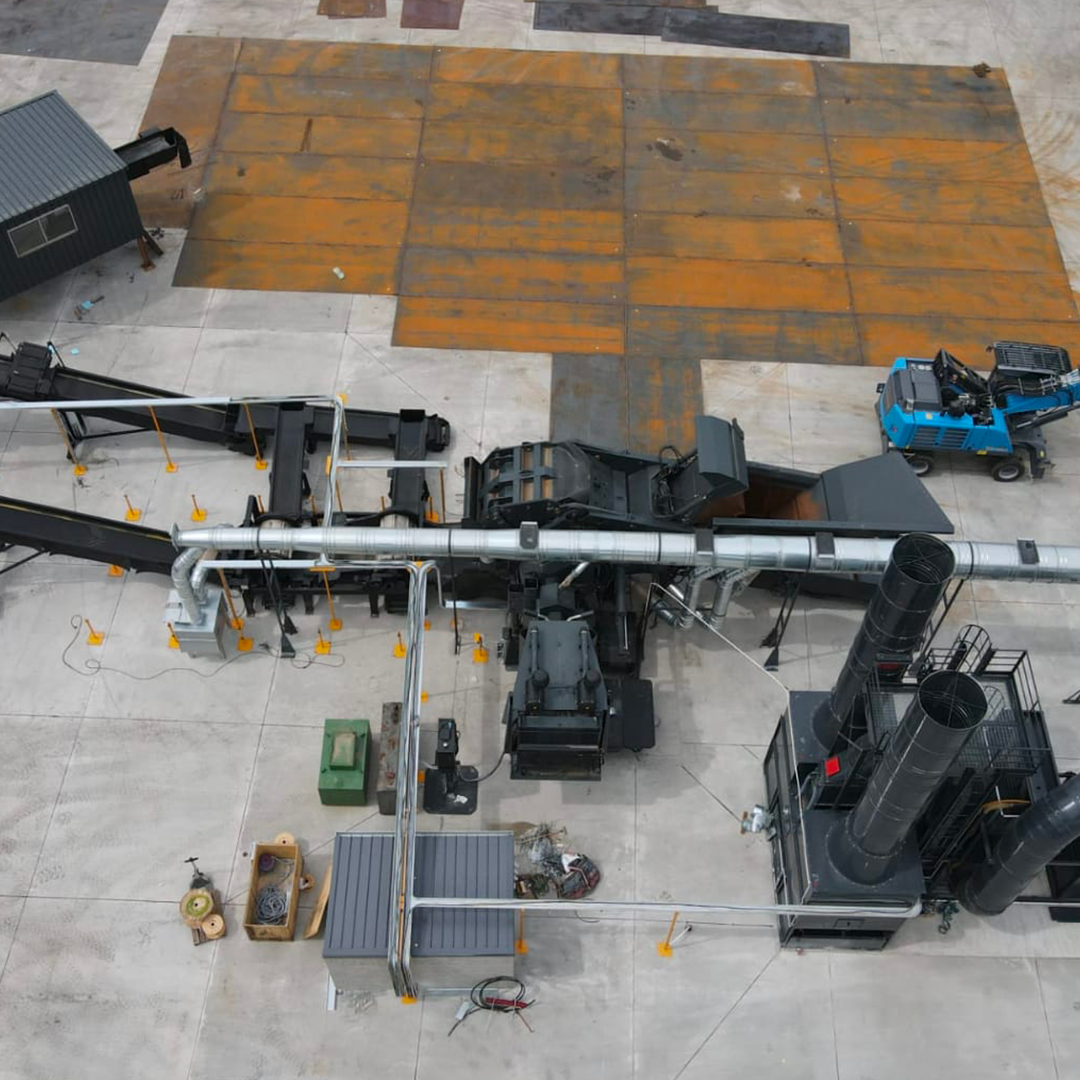
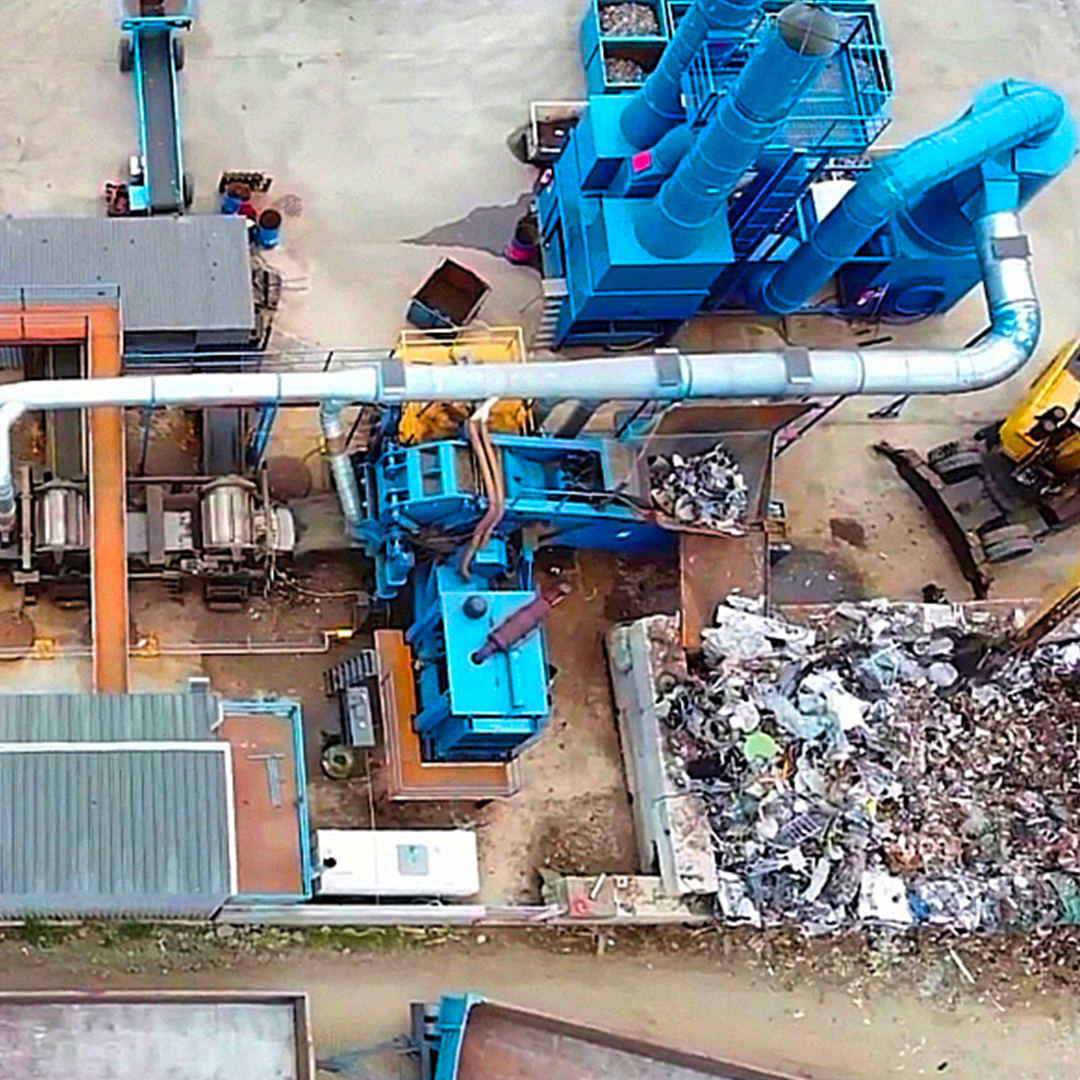
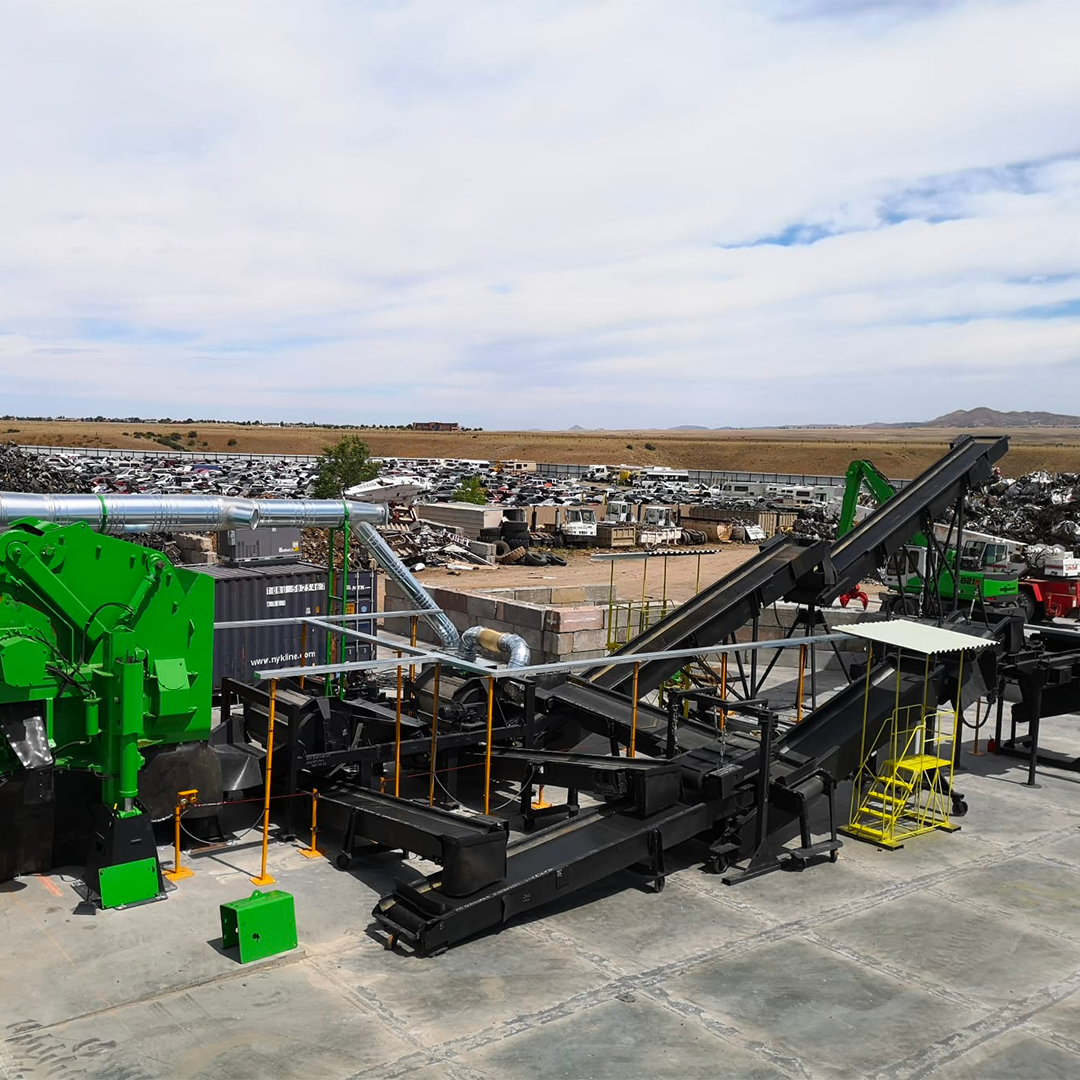
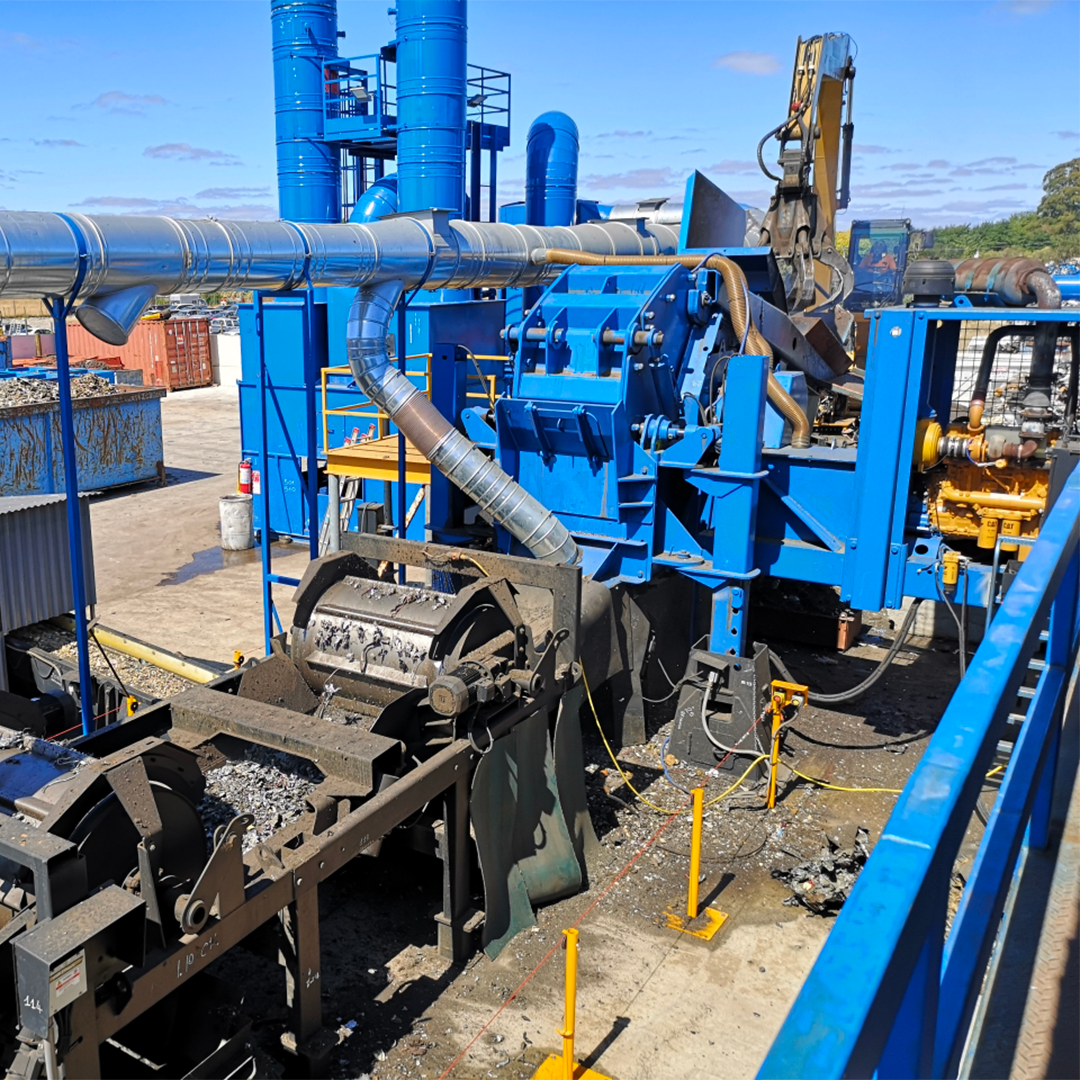
Scrap metal mills
The type of scrap that can be processed by our mills mainly includes bulk scrap, pre-sheared materials, and ferrous and non-ferrous materials (copper and aluminum). A hammer mill can also handle the processing of more complex components, such as engines, and thanks to the advanced configuration of the 16-hammer mills, it is also possible to process entire cars.
Ing. Bonfiglioli metal crushing plants are designed to process even dirty metal materials. During grinding, the hammers process the bulk material, reducing its size, and a screen removes paint, dirt, and surface impurities. After separating the waste material, known as “fluff,” the final material is ready to be sent to the steel mill.
Yes, with the Drake hammer mill, starting with the 10-hammer model, it is possible to crush car packages and light scrap in a single pass, obtaining more manageable material for the subsequent stages.
Magnetic separation in the hammer mill is carried out using a dedicated system of magnetic separators, designed to effectively distinguish ferrous materials from non-ferrous ones. An ECS system with eddy current magnets is integrated into the Drake hammer mill, intercepting non-ferrous metals immediately after the crushing phase.
The separated materials are then conveyed through a series of conveyor belts to different areas of the plant, preventing the different metal fractions from mixing. The entire hammer mill plant is modular and can be configured according to customer requirements.
When the mill is in operation, the dust generated by the material processing is removed in two ways: with water and with air. The first type of suppression concerns heavy dust, which is trapped by water, which is destined for an agglomeration process and must be changed on a monthly basis; the second type of suppression is by air, whereby fine dust is sucked up by fans.
The best feeding system for a hammer mill depends on the operational requirements of the site and the available infrastructure. The hammer mill feed can be configured with either diesel or electric motorization.
Understanding how often to replace hammer mill hammers depends on the intensity of use and the type of material being processed. Under standard operating conditions, the service life of mill hammers is approximately 150 hours. Once this limit is reached, the hammers can be turned over to use the opposite side, extending the service life of the metal mill hammers by an additional 100 hours.
The wear of industrial hammer mill hammers is a normal process, and the time to change the scrap mill hammers comes at the end of this second cycle. The replacement can be carried out directly by the customer independently: Ing. Bonfiglioli provides everything necessary, and the operation takes an average of 4-5 hours of work, minimizing plant downtime.